Repairs That Stop Leak Progression
Roof Repairs in the Dallas-Forth Worth region for storm damage, leak sources, and seasonal wear from Texas weather
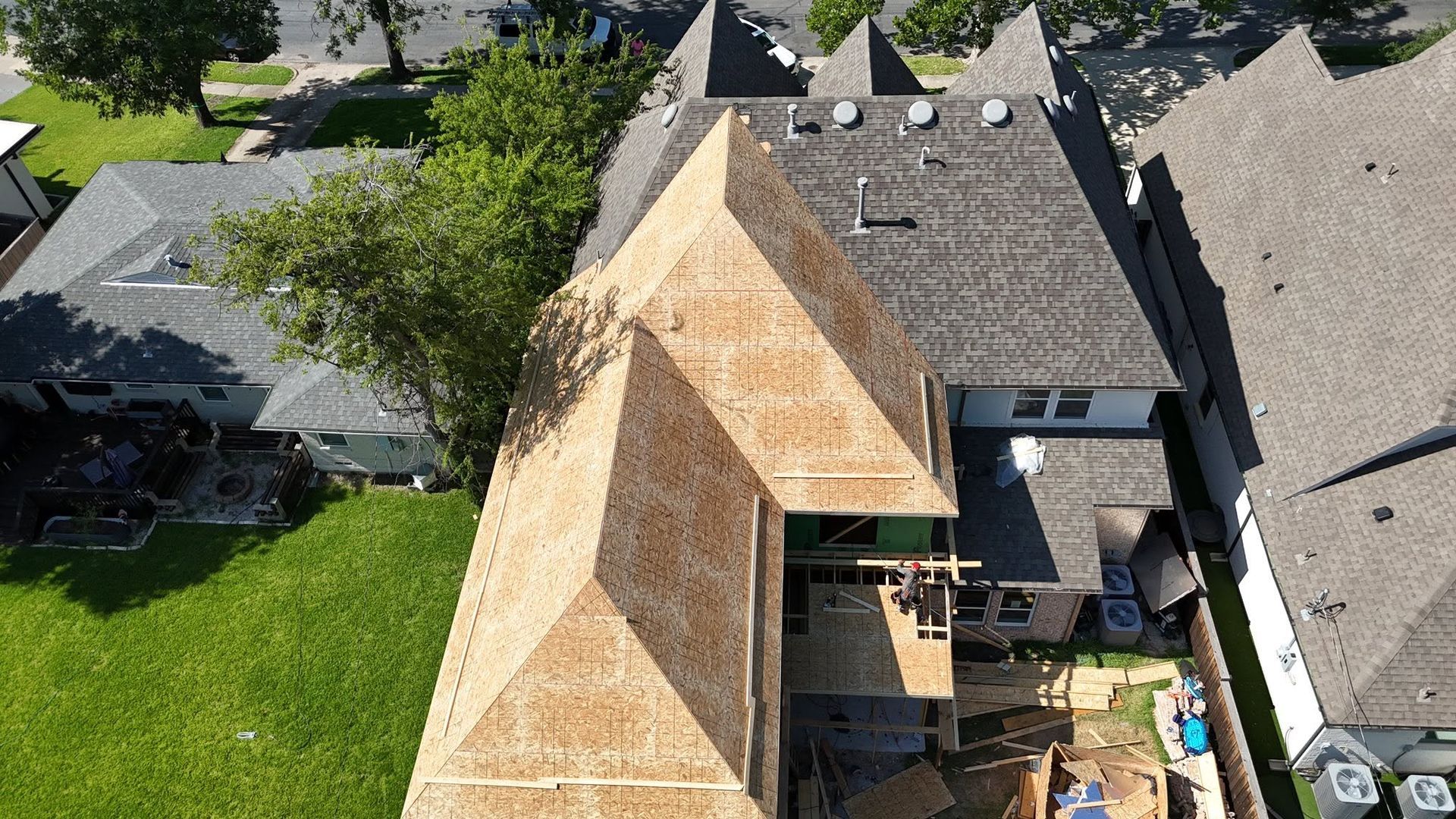
Hail cracks shingle granule bonds without creating immediate leaks, but the damage allows moisture penetration during the next rain event, often showing up as attic stains weeks after the storm passes. Master Roofing LLC repairs residential and commercial roofs in Heartland and across Dallas-Fort Worth, addressing both visible storm damage and hidden deterioration that interior inspection reveals. The seasonal storm frequency in this region makes rapid damage assessment critical—delaying repairs allows water to reach roof decking and interior framing, turning a shingle replacement project into structural repair work that insurance claims may not fully cover if the damage escalated after the initial storm event.
Repair work begins with leak source identification, which requires attic-level inspection to trace moisture pathways back to the entry point, since water often travels along rafters or deck seams before dripping into living spaces far from the actual roof breach. Material-matched repair means replacement shingles, metal panels, or membrane patches use the same composition and attachment method as the surrounding roof, preventing mismatched thermal expansion or fastener corrosion that creates new leak points within months of the repair.
Schedule a damage inspection to identify leak sources and determine whether repair or replacement makes sense for your situation.
Why Storm Damage Requires Attic Verification
Damage inspection includes exterior surface examination for missing shingles, cracked flashing, and hail impact dents, but the attic inspection reveals whether moisture has already penetrated the deck and whether underlying wood deterioration requires attention beyond surface material replacement. Temporary repairs stop active leaks immediately using tarps or sealant, while permanent repairs replace damaged material sections with proper fastener placement and flashing integration that matches the original installation technique.
Once repairs finish, water no longer enters at the breach point, attic moisture stains stop expanding, and interior ceiling discoloration ceases to spread. Insurance claim documentation becomes part of the repair process when storm damage caused the issue—Master Roofing LLC photographs damage extent, maps impact locations across roof planes, and coordinates with public adjusters when initial claim denials require additional evidence to secure coverage approval.
Repair service includes all material and labor necessary to restore weather-tight integrity at the damaged area, but it does not include full roof replacement unless damage extent exceeds the threshold where repair costs approach replacement value. The assessment distinguishes between temporary measures that stop immediate leaks and permanent repairs that restore original material performance, with cost and longevity trade-offs explained before work begins.
Questions Before Starting Your Project
Homeowners and property managers facing roof damage in the Dallas-Forth Worth region and surrounding areas typically ask these questions during the repair evaluation process.
What does attic inspection reveal that exterior examination misses?
Attic inspection shows whether moisture has penetrated roof decking, identifies mold growth on framing that indicates long-term leak activity, and reveals whether insulation has become saturated and lost thermal performance. Exterior inspection only shows surface damage, while attic verification determines whether hidden deterioration requires structural repair beyond visible material replacement.
How do you identify the actual leak source when water appears far from the entry point?
Leak source identification follows moisture pathways backward from interior drip points, tracing water travel along rafters, deck seams, and underlayment gaps until the roof breach appears. Water rarely drips straight down from the entry point—it often travels several feet horizontally before gravity pulls it through ceiling penetrations, making attic inspection necessary to locate the actual repair site.
Why does material-matched repair matter for long-term performance in the Dallas-Forth Worth region?
Mismatched materials expand and contract at different rates under Texas heat cycling, creating gaps at repair seams and fastener holes that allow water entry within months of the repair. Using identical shingle composition, metal gauge, or membrane thickness ensures thermal expansion matches surrounding material and that fastener corrosion rates remain consistent across the repaired section.
What triggers insurance claim documentation for storm damage repairs?
Any damage caused by wind, hail, or falling debris from storm events potentially qualifies for insurance coverage, making documentation critical even for repairs that seem minor—claims require exterior damage photography, attic moisture evidence, and repair cost estimates that match current material and labor rates. Documentation quality determines whether claims approve quickly or require public adjuster intervention to challenge denials.
When does repair make more sense than full replacement?
Repair remains cost-effective when damage affects less than 30 percent of total roof area, when the existing roof hasn't reached the end of its expected lifespan, and when repair materials match the original installation closely enough to maintain warranty coverage. Beyond those thresholds, replacement often provides better long-term value than patching an aging roof that will require replacement within a few years regardless of current repair quality.
Master Roofing LLC works with public adjusters on denied insurance claims, providing the documentation depth and damage assessment detail that supports coverage arguments for storm-related roof damage. Request a leak assessment to determine repair scope and whether insurance documentation becomes necessary for your situation.