Protection Built for Storm Season Reality
Residential Roofing Services in the Dallas-Forth Worth region for homes exposed to hail and seasonal wind damage
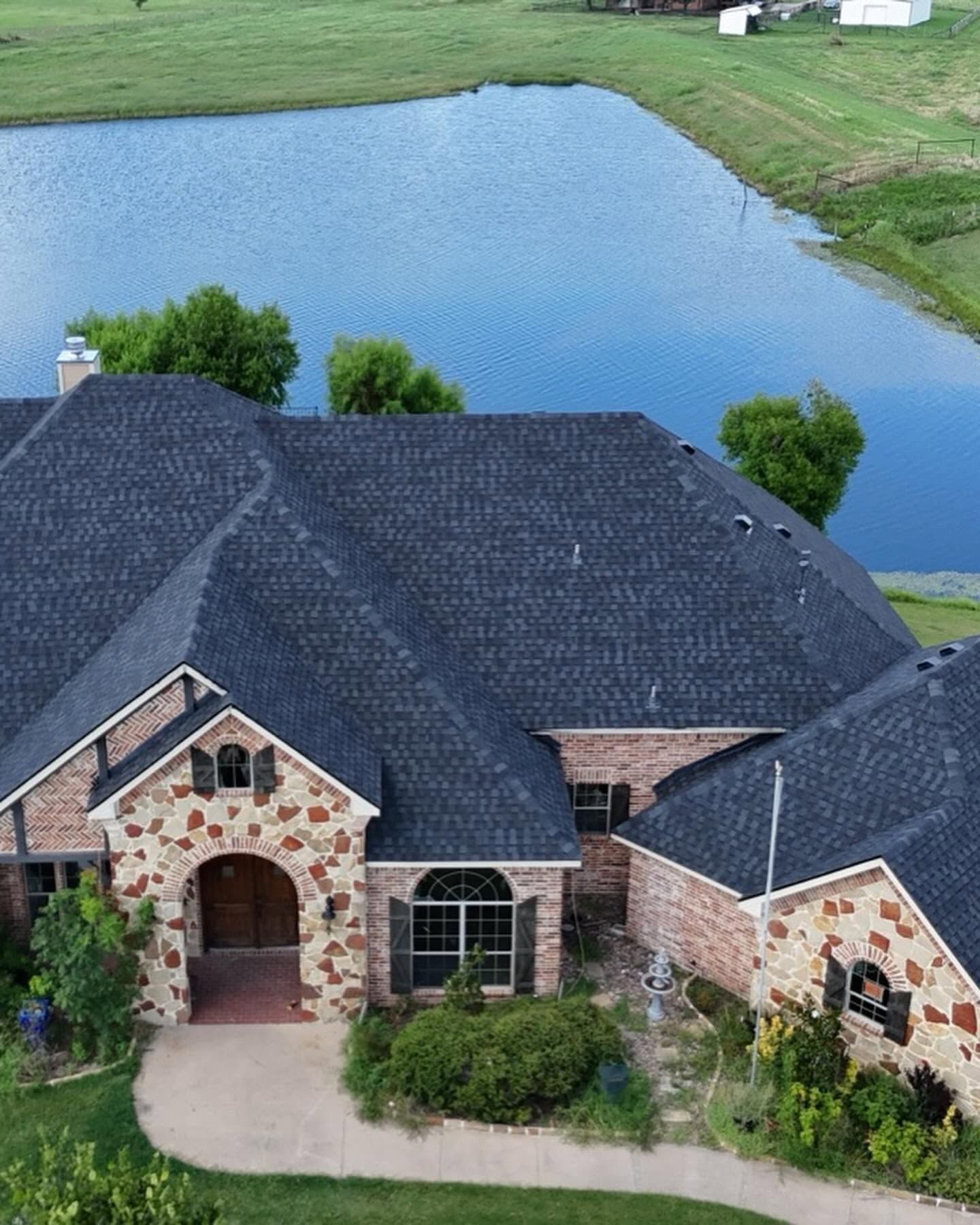
Master Roofing LLC handles residential roof installation, repair, and replacement in Heartland, Dallas, Arlington, and surrounding areas, working with homeowners who need material-specific solutions for a climate where hail strikes and wind events happen with regularity. When shingles crack from impact or underlayment fails after years of heat cycling, the damage extends beyond what you see from the ground—attic inspection often reveals moisture penetration or deck deterioration before interior ceiling stains appear. The company addresses both visible storm damage and hidden structural concerns that affect warranty coverage and long-term durability.
Residential roofing in this region involves material selection that accounts for Texas heat extremes and seasonal hail exposure, with shingle composition, metal panel gauge, and flat membrane thickness all affecting how the roof responds to impact and thermal expansion. Each material category carries distinct warranty structures, separating manufacturer material defect coverage from labor warranty periods, and installation technique must align with certification requirements to preserve those protections.
Schedule a property evaluation to assess current roof condition and material options suited to your home.
What Proper Residential Roofing Requires
The installation process begins with attic-level assessment, verifying deck integrity, ventilation adequacy, and existing moisture damage that surface inspection misses. Material selection follows—asphalt shingle composition classes offer different hail ratings, metal roofing provides impact resistance with expansion joint considerations, and flat roof membranes require slope verification to prevent ponding. Each choice affects how the roof handles the next hail event and how long the installation performs before replacement becomes necessary.
After installation completes, you'll notice uniform appearance across all planes, properly aligned flashing at penetrations and valleys, and ventilation that maintains attic temperature within range of outdoor ambient conditions. Manufacturer certification alignment means the installation follows specifications that preserve material warranty validity, and separate labor warranty documentation clarifies what the installer covers versus what the material manufacturer guarantees. Master Roofing LLC works with public adjusters when insurance claims face denial, providing documentation depth that supports coverage arguments for storm damage.
The service includes complete removal and disposal of existing material when replacement is needed, deck repair where deterioration appears, and ice-and-water barrier installation at vulnerable transition points. It does not include structural framing modification or attic insulation upgrades unless those become necessary to support the new roof system, and material selection remains the homeowner's decision after options and performance trade-offs are explained.
What Homeowners Usually Ask
These questions come up frequently during roof consultations and material selection discussions.
What happens during the attic inspection before installation?
The attic inspection verifies roof deck condition from below, checking for moisture stains, sagging between rafters, and ventilation pathway obstructions that affect temperature regulation and material lifespan. This step identifies hidden damage that surface inspection misses and determines whether deck replacement becomes necessary before new roofing installation.
How do material warranties differ from labor warranties?
Material warranties cover manufacturing defects in shingles, metal panels, or membrane composition and typically extend 20 to 50 years depending on product grade, while labor warranties cover installation workmanship for a shorter period, often two to ten years. The two warranty types activate separately, and claim procedures differ—material claims go through the manufacturer, while labor claims return to the installing contractor.
Why does hail damage require attic-level verification in the Dallas-Forth Worth region?
Hail impact can fracture shingle granule bonds or dent metal without creating immediate leaks, but the damage compromises material integrity and allows moisture penetration during subsequent rain events. Attic inspection reveals whether moisture has already entered the structure and whether deck replacement is needed alongside roofing replacement to address hidden deterioration.
What's included in insurance claim documentation for storm damage?
Documentation includes exterior damage photography showing impact points, attic interior images revealing moisture penetration or deck damage, material composition identification to establish replacement cost, and detailed damage extent mapping across all roof planes. This documentation supports claim adjuster review and provides evidence when initial claim denials require public adjuster intervention.
When should roof replacement happen instead of repair?
Replacement becomes necessary when damage affects more than 30 percent of the roof surface, when multiple leak sources indicate widespread material failure, or when the existing roof has reached the end of its expected lifespan and further repair only delays inevitable replacement. Material age, damage extent, and remaining warranty coverage all factor into the replacement decision.
Master Roofing LLC provides detailed material and warranty documentation after every installation, clarifying coverage terms and maintenance requirements that preserve warranty validity. Arrange a roof assessment to review damage extent and material options specific to your home's exposure and budget.